
How to Become an IPTV Provider: Comparing Full Broadcast Headends vs. XUI Reseller Panels
This complete engineering and consumer guide to how to become an iptv provider explains verified streaming architecture, protocol configurations, hardware compatibility, and step-by-step setup standards for reliable HD and 4K playback.
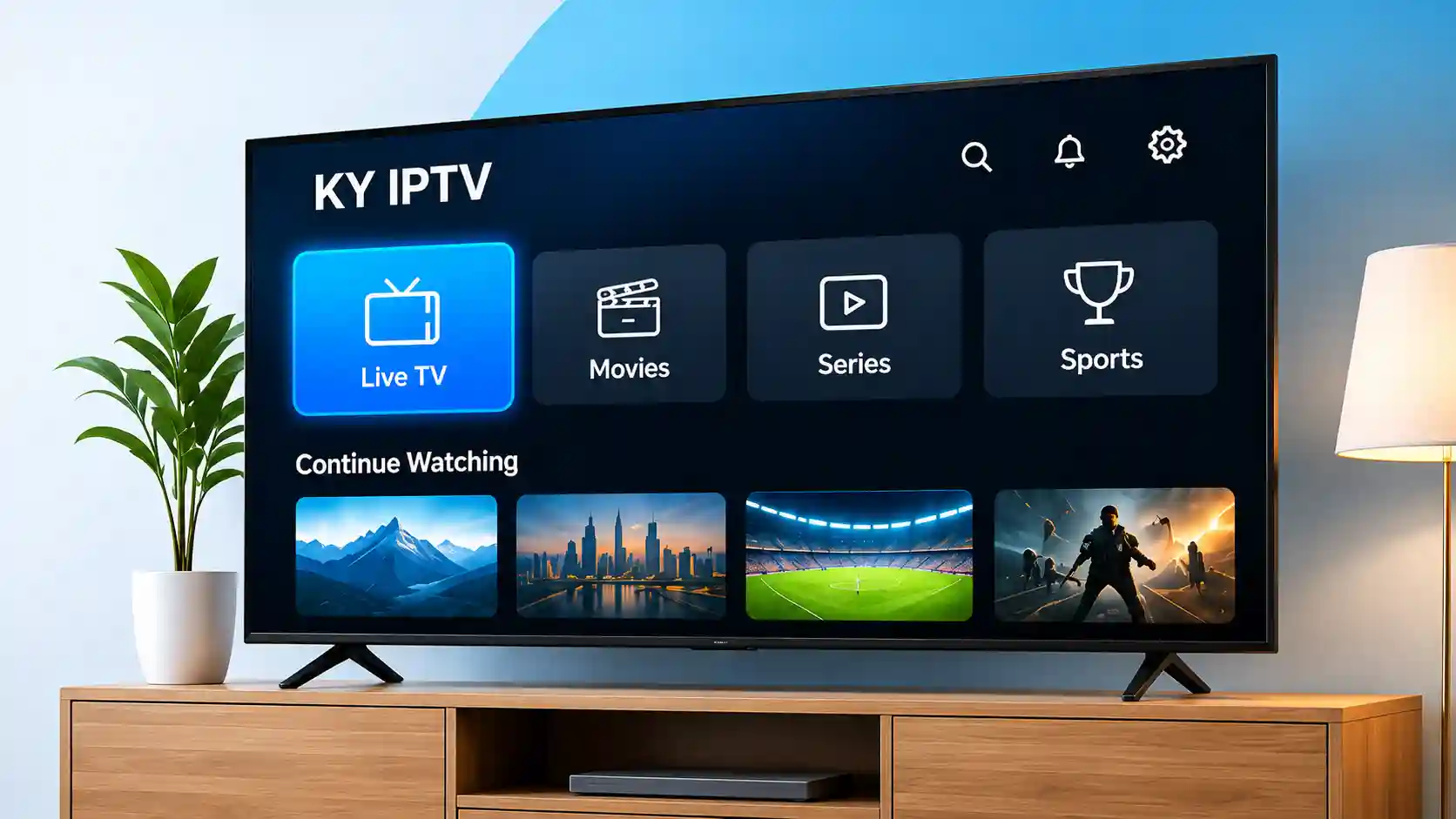
Quick Summary: how to become an iptv provider Explained
Mastering how to become an iptv provider requires pairing RFC-compliant streaming protocols (HLS / M3U8 and Xtream Codes JSON API) with hardware-accelerated decoding and sufficient last-mile broadband bandwidth (15 to 35+ Mbps). Whether you are configuring a living-room Smart TV or sizing a multi-channel headend, following standardized setup practices ensures fast channel zapping and accurate XMLTV EPG synchronization.
Focus Topic: how to become an iptv provider • Standards: ITU-T Y.1910 • IETF RFC 8216
| Technical Parameter | Verified Specification & Best Practice for how to become an iptv provider |
|---|---|
| Primary Focus & Scope | Comprehensive technical reference for how to become an iptv provider, bridging international broadcast standards (ITU-T Y.1910) with real-world Xtream Codes API and M3U media player configuration. |
| Supported Protocols | Xtream Codes API (player_api.php JSON), HLS / M3U8, MPEG-TS, and automated XMLTV Electronic Program Guide (EPG). |
| Recommended Network & Hardware | Wired Ethernet or 5 GHz Wi-Fi (15–35+ Mbps, <15 ms jitter) with hardware H.264/HEVC decoding enabled on supported devices. |
| Verification & Testing | Benchmark on your own hardware and ISP using a 1-Month Starter Plan (.99 USD) or request a live test via 24/7 WhatsApp Support. |
1. Two Distinct Paths: Infrastructure Operator vs. Credit-Based Reseller (how to become an iptv provider)
Understanding how to become an iptv provider starts with examining how modern IP video networks encode, authenticate, and transport real-time media streams. According to the Internet Protocol television (Wikipedia) architecture and ITU-T Recommendation Y.1910, end-to-end stream stability depends on matching server-side codec bitrates with client hardware decoding capabilities.
Key Engineering Principles for how to become an iptv provider
When configuring or evaluating how to become an iptv provider in a household or commercial environment, engineers separate the control plane (authentication via Xtream Codes API credentials and XMLTV program schedules) from the high-throughput video transport plane (HTTP Live Streaming and MPEG-TS packets).
2. Path A: Building a Full Broadcast IPTV Headend (Hardware, CDN & Licensing)
In practical deployments of how to become an iptv provider, hardware decoding and local network transport play a decisive role. Streams encoded in High Efficiency Video Coding (H.265/HEVC) or H.264 require consistent packet delivery with jitter below 15 ms and zero local Wi-Fi airtime contention.
- Protocol Compatibility: Full support for standard Xtream Codes JSON APIs, IETF RFC 8216 M3U8 playlists, and automated XMLTV EPG synchronization across compatible devices.
- Hardware Acceleration: Enabling native GPU/MediaCodec decoding prevents frame drops on 1080p60 and 4K UHD broadcasts.
- Session & Connection Management: Choosing the right 1 to 5 device subscription plan prevents simultaneous-stream token conflicts across household screens.
3. Path B: Operating as an Independent Distributor via an XUI Reseller Panel (how to become an iptv provider)
Applying a structured workflow for how to become an iptv provider eliminates common configuration mistakes such as remote-control auto-capitalization, stale DNS caches, or mismatched audio/video decoder profiles. Follow our step-by-step KY IPTV activation guide alongside the verification checklist below:
Step 1: Verify Network Transport & how to become an iptv provider Requirements
Connect your primary television or encoder via wired Cat6 Ethernet or dedicated 5 GHz Wi-Fi (minimum 25 Mbps for 1080p60/4K streams) and configure public DNS resolvers (1.1.1.1 or 8.8.8.8).
Step 2: Configure Xtream Codes API or RFC-Compliant Stream Endpoints
Use direct Server URL, Username, and Password authentication in store-verified apps (TiviMate, IPTV Smarters Pro, XCIPTV, UHF, or VLC Media Player) rather than typing long M3U strings manually.
Step 3: Benchmark Peak-Hour Stability & EPG Sync
Test channel switching latency, XMLTV program guide population, and sustained 20-minute playback during evening prime-time hours to confirm zero ISP throttling.
4. Side-by-Side Comparison: Capital Expenditure, Bandwidth & Technical Skills
When evaluating long-term reliability for how to become an iptv provider, always prioritize transparent one-time billing, open protocol standards, and responsive technical support. For multi-user management or wholesale provisioning, review our KY IPTV Reseller & XUI Panel program or browse our IPTV Technical Guides Hub.
5. Essential Customer Onboarding & Support Infrastructure for New Providers
When evaluating long-term reliability for how to become an iptv provider, always prioritize transparent one-time billing, open protocol standards, and responsive technical support. For multi-user management or wholesale provisioning, review our KY IPTV Reseller & XUI Panel program or browse our IPTV Technical Guides Hub.
6. Legal, Licensing, and Payment Compliance Considerations
When evaluating long-term reliability for how to become an iptv provider, always prioritize transparent one-time billing, open protocol standards, and responsive technical support. For multi-user management or wholesale provisioning, review our KY IPTV Reseller & XUI Panel program or browse our IPTV Technical Guides Hub.
7. Frequently Asked Questions About Becoming an IPTV Provider
When evaluating long-term reliability for how to become an iptv provider, always prioritize transparent one-time billing, open protocol standards, and responsive technical support. For multi-user management or wholesale provisioning, review our KY IPTV Reseller & XUI Panel program or browse our IPTV Technical Guides Hub.
Frequently Asked Questions About how to become an iptv provider
What equipment is needed to build an IPTV headend from scratch?
Direct Answer: A full IPTV headend requires video ingest sources (satellite IRDs or HDMI/SDI feeds), hardware or GPU IPTV encoders (H.264/H.265), a middleware and billing server (for authentication and XMLTV EPG), and high-bandwidth multicast LAN switches or unicast CDN edge servers.
Because of the high capital and licensing cost, most independent retail distributors operate via an XUI reseller credit panel instead of building their own headend.
What is the difference between an IPTV provider and an IPTV reseller?
Direct Answer: An upstream IPTV provider (or network operator) manages the physical encoding hardware, transcoding servers, middleware databases, and CDN bandwidth, whereas an IPTV reseller purchases prepaid credits on an XUI management panel to provision and support customer subscription lines without maintaining server hardware.
Resellers focus on customer onboarding, bouquet curation, and first-line device support.
How do I evaluate an upstream IPTV panel before becoming a reseller?
Direct Answer: Always test the service as a regular customer first using a 1-month plan ($9.99 USD) during peak weekend broadcasts to verify stream stability, EPG accuracy, and Xtream Codes API speed before inquiring about bulk reseller credits.
This ensures you understand the exact end-user experience you will be supporting.